Car accidents can have a profound impact on your life in an instant. Apart from the initial surprise and bodily harm, the aftermath often brings about a series of difficulties that may persist for an extended period. This is when expert Follow-Up Care services step in, offering vital assistance and direction to help you navigate the journey to healing. And if you're seeking the finest provider in Las Vegas, there's no need to search beyond Las Vegas Car Accident Chiropractor.
What makes post-accident aftercare incredibly important? The statistics reveal the truth. As per the data from the National Highway Traffic Safety Administration, more than 2.7 million individuals suffer injuries every year due to car accidents in the United States, and roughly 20% of them endure enduring health issues. Failing to receive appropriate post-accident care could potentially subject these individuals to persistent discomfort, restricted movement, and a diminished standard of living.
Experienced chiropractors at Las Vegas Car Accident Chiropractor have deep empathy for the distinct difficulties encountered by those affected by accidents. Motivated by a genuine desire to aid individuals in restoring their health and overall wellness, their dedicated team delivers thorough post-incident support customized to address the individual requirements of every patient. Starting with initial evaluations and extending to personalized therapy strategies, their commitment goes the extra mile to ensure a seamless path towards recovery.
What distinguishes Las Vegas Car Accident Chiropractor from other providers? It is their steadfast focus on delivering exceptional quality and their unwavering dedication to the well-being of their patients. Over the years, they have built a reputation of trust among numerous individuals who have experienced accidents. A content and grateful patient named John shares his experience, stating, "Following my car accident, I felt disoriented and suffered from discomfort. Las Vegas Car Accident Chiropractor not only delivered outstanding care but also offered me the encouragement and direction necessary to regain control of my life."
Las Vegas Car Accident Chiropractor is renowned for its exceptional standing, supported by a group of extensively skilled experts who constantly remain up-to-date with the most recent progressions in chiropractic care. Utilizing their vast knowledge and cutting-edge facilities, they provide a variety of treatments, such as spinal adjustments, physical therapy, and rehabilitation exercises. Their primary focus is to facilitate recovery and reinstate maximum functionality.
When it comes to the services provided after a car accident, selecting the appropriate provider can greatly impact your path to recovery. The commitment to exceptional care, individualized attention, and demonstrated outcomes by Las Vegas Car Accident Chiropractor establish them as the preferred option for individuals affected by accidents who require thorough follow-up care. Do not allow an accident to dictate your future – allow Las Vegas Car Accident Chiropractor to lead you towards a more promising, discomfort-free future.
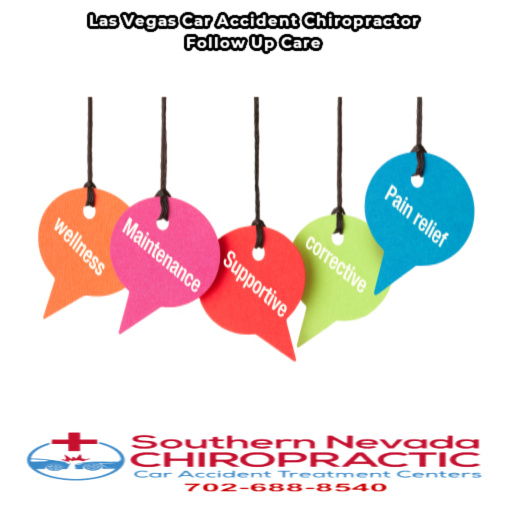
Recognizing the Significance of Post-Accident Monitoring and Treatment When recuperating from a vehicle collision, initial medical attention is only the beginning. Continued care after the incident is vital in healing and guaranteeing a complete recovery. It involves ongoing medical attention and observation to address any persistent discomfort or concealed injuries that might have been overlooked initially. According to data, almost half of all car accident victims encounter long-term pain or disability. This is where post-incident care becomes crucial. It permits healthcare professionals to closely observe the patient's progress and modify the treatment plan. It also aids in identifying any underlying conditions that may have arisen as a consequence of the accident. Proficient chiropractors underscore the significance of post-incident care, as it helps prevent persistent pain and fosters optimal healing. It enables them to monitor the patient's progress, offer necessary modifications, and provide specialized therapies tailored to individual requirements. By addressing potential complications at an early stage, post-incident care aims to minimize long-term consequences and guarantee a successful recovery. Real-life illustrations demonstrate the importance of post-incident care. In one instance, a vehicle collision victim experienced severe whiplash, and despite initial treatment offering some relief, the pain persisted. Through consistent post-incident care, it was discovered that the patient had developed a herniated disc, necessitating further treatment. This example emphasizes how post-incident care can uncover concealed injuries and prevent further complications.
To conclude, recognizing the significance of post-incident care is essential for anyone involved in a vehicle collision. It ensures comprehensive healing, minimizes long-term consequences, and provides customized treatment to address individual needs. By prioritizing post-incident care, individuals can take charge of their recovery journey and achieve optimal health and well-being.
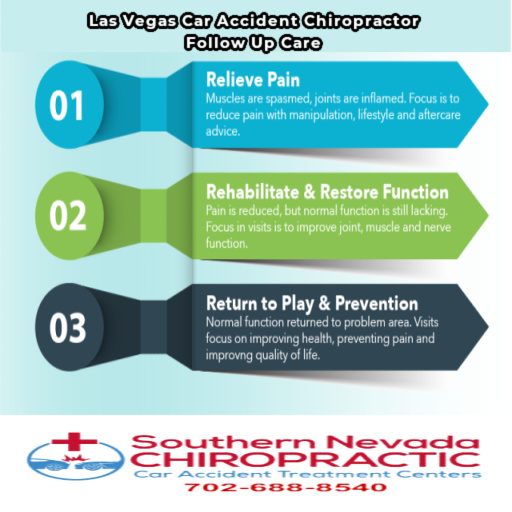
Continuing care is an essential part of the recuperation process following a car accident or any other distressing incident. It encompasses a series of medical procedures, therapies, and discussions aimed at monitoring and managing the patient's progress. The primary objective of continuing care is to guarantee that the patient's injuries are healing effectively and to prevent any lasting complications.
One of the main advantages of continuing care is the early identification of any underlying problems or difficulties that may arise as a consequence of the accident. By closely observing the patient's advancement, healthcare professionals can recognize signs of delayed healing, infections, or other complications, and offer timely interventions.
Continuing care may involve various medical services, such as non-invasive adjustments, physical therapy, soothing therapy, and pain management methods. These treatments not only alleviate pain and discomfort but also foster healing, restore mobility, and enhance overall well-being.
It is worth noting that continuing care encompasses more than just physical treatments. It also entails regular communication between the patient and healthcare professionals. This ongoing dialogue enables the medical team to address any concerns or questions the patient may have and provide guidance on lifestyle adjustments or self-care practices that can enhance the recovery process.
All in all, continuing care plays a crucial role in ensuring a seamless and successful recovery following a car accident. By delivering comprehensive and tailored care, it assists patients in regaining their health, functionality, and quality of life.
Continuing care is a vital component of the recuperation journey following a car accident. It entails ongoing medical attention and assistance to guarantee that individuals receive the necessary care and consideration required for complete healing. Many people underestimate the significance of continuing care, but its impact on the overall outcome of their recovery is substantial.
One of the main rationales for the importance of continuing care lies in its ability to detect and address any concealed or underlying injuries that may not be immediately evident after an accident. Certain injuries, like whiplash or damage to soft tissues, may not exhibit symptoms until days or even weeks following the incident. Regular follow-up appointments with a healthcare professional can aid in early diagnosis of these injuries, preventing them from worsening or leading to long-term complications.
Moreover, continuing care allows healthcare professionals to closely monitor the progress of the patient's recovery. This ongoing evaluation helps ensure the effectiveness of the treatment plan and enables adjustments if necessary. By regularly consulting with a chiropractor or other specialists, individuals can receive personalized care tailored to their specific needs, minimizing the risk of complications and expediting the recovery process.
Furthermore, continuing care provides individuals with emotional and mental support throughout the healing journey. Car accidents can be traumatic experiences, and it is not uncommon for individuals to encounter anxiety, depression, or post-traumatic stress disorder (PTSD) following the incident. Continuing care professionals can offer guidance and resources to assist individuals in coping with the emotional toll of the accident, promoting comprehensive healing.
In conclusion, continuing care is an indispensable aspect of the recovery process after a car accident. It aids in the identification of hidden injuries, monitors progress, and provides emotional support. By prioritizing continuing care, individuals can ensure a more comprehensive and successful recovery, both physically and mentally.
Follow-up care after a car accident is an important part of medical treatment that aims to support a patient's recovery and prevent long-term complications. To achieve this, there are several essential factors that contribute to the effectiveness of follow-up care.
Firstly, maintaining open and continuous communication among the patient, healthcare providers, and specialists is crucial. This ensures that everyone involved is well-informed about the patient's progress, concerns, and any changes in their condition. Such communication allows for timely adjustments to the treatment plan, if needed.
Personalized care is another significant aspect. Recognizing that each patient is unique, follow-up care should be tailored to their specific needs and goals. This may involve a combination of therapies, such as chiropractic adjustments, physical therapy, massage, or acupuncture. An inclusive approach that encompasses both physical and emotional aspects of recovery is vital for positive outcomes.
Regular monitoring and evaluation are also essential components of effective follow-up care. This involves tracking the patient's progress, evaluating their response to treatment, and making necessary adjustments. Close monitoring enables healthcare professionals to identify any potential issues or complications early on, allowing for prompt intervention.
Lastly, patient education and empowerment are key elements. Providing patients with the knowledge and tools to actively participate in their recovery empowers them to make informed decisions and take an active role in managing their health. This may include teaching them exercises, self-care techniques, or lifestyle modifications that can enhance the healing process.
In summary, effective follow-up care encompasses open communication, personalized treatment plans, regular monitoring, and patient education. By incorporating these key elements, healthcare professionals can ensure that patients receive the necessary support and resources for a successful recovery after a car accident.
Evaluating the progress of a patient's recovery is an essential part of post-treatment care. This enables healthcare experts to monitor the effectiveness of therapies and interventions and make necessary adjustments to the patient's care program. By consistently assessing the patient's condition, we can guarantee that they are on the right path towards a complete recuperation.
One method we use to evaluate a patient's recovery progress is through physical examinations and tests. These evaluations help us measure the patient's range of motion, strength, and overall physical well-being. Additionally, we might employ imaging techniques like X-rays or MRIs to gain a clearer understanding of any underlying issues.
Aside from physical assessments, we also consider the patient's feedback and self-reported symptoms. By actively listening to their experiences and concerns, we can better comprehend their progress and address any ongoing challenges they may encounter.
Assessing a patient's recovery progress is not a singular event; it is an ongoing process. Regular evaluations enable us to track improvements, identify setbacks, and adjust treatment plans accordingly. Our team of professionals is committed to providing comprehensive follow-up care that ensures the patient's recovery progresses as smoothly as possible.
Providing continued support for health conditions is a crucial part of post-treatment care. Following a car accident, many individuals may experience lasting health problems like persistent pain, muscle stiffness, or limited mobility. Our team plays a vital role in assisting patients to effectively manage these ongoing health issues.
We understand the difficulties that come with living with a chronic condition. Our professionals create personalized treatment plans that cater to each person's unique needs. Whether it involves chiropractic care, physical therapy, or other specialized treatments, our goal is to reduce pain, enhance mobility, and improve overall quality of life.
Research demonstrates that follow-up care significantly contributes to better health outcomes. A study published in the Journal of General Internal Medicine revealed that patients who received post-accident care had a lower risk of developing chronic pain and disability compared to those who didn't receive such care.
Managing ongoing health conditions requires a comprehensive approach. Our team not only focuses on addressing physical symptoms but also provides emotional support and guidance throughout the recovery process. We believe in empowering our patients to actively participate in their own well-being and take control of their health.
Through our comprehensive follow-up care services, we aim to assist individuals in regaining independence, improving overall health, and leading fulfilling lives despite their ongoing health conditions.
When it comes to continuing care, there are numerous approaches that can enhance the overall experience and results for patients. One crucial approach is to establish transparent communication between healthcare providers and patients. This entails providing patients with detailed instructions regarding their care plan, including any necessary medications or exercises. Regular check-ins and reminders can also be employed to ensure that patients are adhering to their follow-up care.
Another effective approach is to customize follow-up care based on the unique needs of each patient. Each patient is distinct, and their follow-up care should reflect that. By considering a patient's specific circumstances, such as their medical history, lifestyle, and preferences, healthcare providers can better tailor their care plans to meet their requirements. This personalized method can lead to improved patient compliance and better outcomes.
Furthermore, incorporating technology can significantly enhance follow-up care. For instance, telemedicine allows patients to remotely connect with healthcare providers, eliminating the necessity for in-person visits and making follow-up care more convenient. This can be especially advantageous for patients who face geographic barriers or mobility issues that hinder their access to healthcare services.
All in all, implementing strategies like transparent communication, personalized care, and the utilization of technology can greatly enhance the effectiveness of follow-up care. By focusing on these areas, healthcare providers can ensure that patients receive the necessary support to achieve optimal health outcomes.
As a provider of continued care, our team recognizes the significance of incorporating methods for coordinating care to safeguard the welfare and recuperation of our patients. Care coordination is an essential facet of healthcare that concentrates on arranging and overseeing the various elements of a patient's care journey. It involves close cooperation among healthcare professionals, patients, and their families to achieve smooth and efficient care delivery.
By integrating care coordination methods, our objective is to offer a comprehensive and all-encompassing approach to the continued care of our patients. This encompasses establishing effective communication channels between our team and other healthcare providers involved in the patient's treatment, such as primary care physicians, specialists, and therapists. This collaborative effort assists us in developing a personalized care plan tailored to address the specific needs of each patient.
One of the major advantages of care coordination is the reduction in healthcare expenses. By streamlining the patient's care journey, we can minimize unnecessary duplication of tests, appointments, and procedures. This not only saves our patients money but also ensures that they receive the most suitable and effective treatments.
Moreover, care coordination plays a pivotal role in enhancing patient outcomes. Through regular follow-ups and monitoring, we can promptly identify any potential complications or issues, allowing for timely intervention. This proactive approach aids in preventing further deterioration of health and promotes a faster recovery.
At our facility for continued care, we prioritize the implementation of care coordination techniques to deliver the utmost quality of care to our patients. Our dedicated team of professionals works tirelessly to ensure that every patient receives the necessary support, guidance, and continued care required to regain their health and well-being.
At our Company for Continuing Patient Care, we recognize the significance of patient involvement in the process of recuperation. Enhancing patient participation is vital in order to attain favorable results and deliver optimal healthcare. When patients actively engage in their ongoing care, they are more likely to experience expedited recovery, enhanced functionality, and diminished discomfort.
Research has indicated that involved patients exhibit improved health outcomes compared to those who are not actively engaged in their treatment. Engaged patients are more inclined to adhere to treatment plans, comply with medication schedules, and make necessary adjustments to their lifestyle. Consequently, this leads to fewer hospital readmissions, reduced healthcare expenses, and enhanced overall patient contentment.
To amplify patient involvement in continuing care, our team prioritizes open communication, personalized care strategies, and continuous support. We ensure that patients comprehend the significance of their ongoing care and the steps involved in their journey to recovery. Our experts allocate time to address any inquiries, alleviate concerns, and provide education, empowering patients to actively participate in their healing process.
By promoting patient involvement, our objective is to establish a collaborative and supportive atmosphere that fosters trust and enables patients to assume control of their well-being. We are firm believers that when patients are engaged in their continuing care, they are more likely to achieve successful outcomes and restore their quality of life.
Continuing Care plays a crucial role in the recovery process after a car accident. However, there are several obstacles that individuals may encounter when it comes to accessing and receiving the necessary continuing care. One common obstacle is the lack of awareness and understanding about the significance of continuing care. Many accident victims may not realize that even seemingly minor injuries can have long-term consequences if left untreated.
Another obstacle is the difficulty in finding the appropriate healthcare professionals who specialize in car accident injuries. It can be overwhelming to navigate through the healthcare system and locate the suitable specialists who can provide the necessary continuing care. Additionally, the cost of continuing care can be a significant hindrance for many individuals, particularly if they do not possess adequate insurance coverage or if the accident was caused by an uninsured driver.
To tackle these challenges, our team of professionals at Las Vegas Car Accident Chiropractor is committed to offering comprehensive and easily accessible continuing care services. We prioritize educating accident victims about the significance of continuing care and provide personalized treatment plans tailored to their specific needs. We have a network of experienced chiropractors, physical therapists, and other healthcare professionals who specialize in car accident injuries. Moreover, we collaborate with insurance companies and offer flexible payment options to ensure that cost does not pose a barrier to receiving the necessary care.
By addressing these obstacles directly, we aim to make the continuing care process as seamless and stress-free as possible for accident victims, assisting them on their journey to recovery.
It is of utmost importance to provide effective post-accident care to those who have been involved in a car accident. This is vital in order to ensure that they receive the essential treatment and support required for a complete recovery from their injuries. Nevertheless, there exist several obstacles that can impede the effectiveness of this follow-up care.
One common hindrance is the lack of knowledge regarding the significance of post-accident care. Many individuals may not be aware that seeking ongoing treatment after an accident can significantly enhance their recovery outcomes.
Another obstacle is the financial burden associated with follow-up care. Some people may be hesitant to continue receiving care due to concerns about the costs involved. They may worry about the affordability of continuous treatments and therapy sessions. However, it is important to mention that there are various resources accessible to help individuals overcome these financial barriers, including insurance coverage, government assistance programs, and flexible payment options.
Transportation can also pose a significant challenge to effective follow-up care. Following a car accident, individuals may encounter difficulties in commuting to medical appointments, particularly if they have sustained injuries that restrict their mobility. A lack of reliable transportation can lead to missed appointments and delays in receiving necessary care. It is imperative for healthcare providers to address this obstacle by offering alternative transportation options or connecting patients with community resources that can assist with transportation.
The resolution of these barriers is critical in ensuring that individuals obtain the required follow-up care. By promoting awareness about its importance, providing financial aid alternatives, and dealing with transportation challenges, healthcare providers can help surmount these barriers and enhance the overall quality of care for car accident victims.
When it comes to post-accident care, it is important to utilize creative methods in order to promote better recovery and overall health. Follow-up care plays a crucial role in the healing process, aiding individuals in restoring their mobility, alleviating pain, and improving their quality of life.
One inventive approach that has gained recognition in recent times is chiropractic care. Chiropractors specialize in treating injuries related to the muscles and skeleton, which are often prevalent after car accidents. By utilizing non-invasive techniques like spinal adjustments, chiropractors can assist in reducing pain, enhancing range of motion, and facilitating natural healing.
Another ingenious solution is the utilization of telemedicine. Thanks to technological advancements, individuals can now receive post-accident care from the convenience of their homes. Through video consultations, healthcare professionals can assess their patients' progress, provide guidance on exercises and stretches, and offer support and advice. This not only saves time and money but also improves accessibility to care, particularly for those with transportation limitations or residing in remote areas.
The implementation of innovative strategies for enhanced follow-up care is crucial for optimizing recovery and ensuring long-term well-being. By embracing novel approaches such as chiropractic care and telemedicine, we can offer individuals the necessary support to heal and flourish after a car accident.

